
Overview
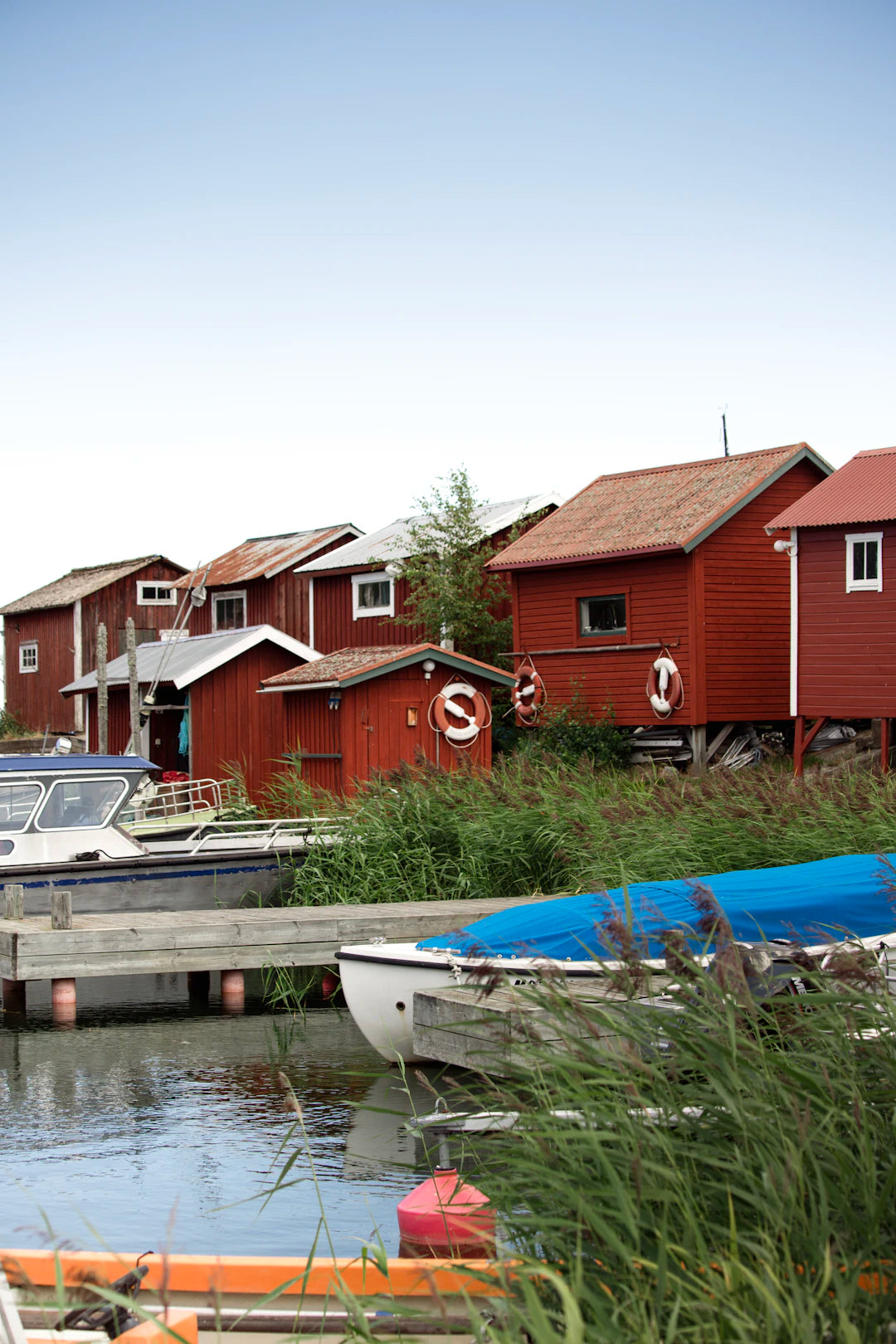
The Nordic design aesthetic emphasizes simplicity, functionality, and a deep connection to nature, characterized by minimalism, natural materials, and a focus on warmth and coziness. Influenced by historical movements and cultural practices like Fika, it promotes inviting spaces that encourage social interaction and mindfulness. To incorporate Nordic design into your home, declutter, add texture, maximize light, integrate nature, and choose quality pieces.
Frequently Asked Questions
1. What are the key principles of Nordic design?
2. How has historical context influenced Nordic design?
3. What role does light play in Nordic design?
4. What is Fika culture and how does it affect Nordic design?
5. How can I incorporate Nordic design into my home?
The Nordic design aesthetic is more than just a trend; it's a lifestyle that embraces simplicity, functionality, and natural beauty. From the stunning landscapes of Sweden to the bustling streets of Copenhagen, Nordic design reflects a profound connection to the environment, culture, and a way of living that is as inviting as it is practical. In this exploration of Nordic design, we will uncover its key principles, delve into its historical roots, and examine how principles like Fika culture shape the aesthetics around us.
The Essence of Nordic Design
At the heart of Nordic design lies a commitment to minimalism and functionality. Characterized by clean lines, neutral color palettes, and an emphasis on craftsmanship, this design ethos draws from the region's harsh climate and necessity for warm, inviting environments. Here are some core principles that define Nordic design:
- Minimalism: The idea is to create spaces that are clutter-free and soothing, allowing for better concentration and relaxation.
- Natural Materials: Wood, leather, and textiles take center stage in Nordic design, highlighting the region's rich natural resources.
- Functionality: Every design element serves a purpose, reflecting the practical needs of everyday life.
- Warmth and Coziness: Known as "hygge" in Danish culture, the goal is to create warm, welcoming spaces, often with ample textiles and personal touches.
A Look at the Historical Roots
The historical context of Nordic design cannot be overlooked. Emerging in the early 20th century, it was influenced significantly by the Bauhaus movement and early 20th-century Scandinavian architects and designers. The focus on simplicity was not only aesthetic but rooted in socio-political ideals, as the region was transitioning into a modern age.
In the post-World War II era, Scandinavian design took off globally, thanks to influential designers like Alvar Aalto, Hans J. Wegner, and Arne Jacobsen. Their furniture and architecture showcased not just beauty, but also a deep understanding of human comfort and usability. Nordic design began to permeate homes around the world, bringing a bit of Scandinavian charm into everyday life.
The Role of Light in Nordic Design
One of the defining features of Nordic design is its relationship with light. Living in regions with long periods of darkness during winter months, Nordic cultures have learned to maximize natural sunlight. This respect for light is evident in the airy, open designs and large windows that characterize many Nordic interiors.
Incorporating various light sources—such as pendant lights, soft lamp lighting, and plenty of candles—further enhances warmth and creates a cozy environment. This conscious approach towards lighting is not just about aesthetics; it plays a significant role in promoting well-being and positive mood swings, vital in a region known for its long winters.
Understanding Fika Culture
Another fascinating aspect of Nordic aesthetics is how the concept of Fika culture influences design and lifestyle. Fika, a Swedish term, refers to the practice of taking a break for coffee and pastries, often shared with friends or colleagues. This cultural norm emphasizes slowing down and enjoying life's simple pleasures, which is reflected in the inviting, relaxed designs of Nordic spaces.
In Nordic homes, you'll often find cozy seating arrangements, communal dining spaces, and well-set tables—all of which are designed to encourage social interactions and relaxation over a cup of coffee. Softer colors, comfortable textiles, and inviting decor works hand-in-hand with this aspect of their culture. The integration of nature, with plants adorning surfaces and bringing life to spaces, is also common and reinforces the relaxation factor associated with Fika culture.
Color and Material Choices
Nordic design often features a muted color palette that includes whites, grays, and gentle earthy tones. These colors reflect the natural landscapes typical of the Nordic regions, invoking feelings of tranquility. Though minimalistic, colors like pale blue or soft green may be used to create a stunning contrast that highlights natural light.
Materials play a pivotal role as well. The preference for natural textures, such as wood grains, knitted textiles, and ceramic finishes, invites tactile experiences and warmth. These materials not only evoke the feel of nature but also promote sustainability, a growing concern in modern design.
The Connection to Nature
Another hallmark of Nordic design is its intrinsic connection to nature. Emphasis is placed on indoor plants and greenery that bring life and color to spaces, paralleling the region's beautiful natural surroundings. This inclusivity helps to blur the boundaries between the indoors and outdoors, enhancing well-being and mindfulness in daily living.
Furniture items often reflect organic shapes that mimic natural forms, while decorative pieces celebrate craftsmanship and sustainability. As people increasingly seek wellness and harmony in their surroundings, nature-inspired design has never been more relevant.
Bringing Nordic Design into Your Home
If you are inspired by the aesthetic of Nordic design and want to incorporate it into your home, consider the following tips:
- Simplify: Start by decluttering your space. Embrace minimalism by keeping only what you love and use.
- Add Texture: Incorporate various textures with textiles—think throws, fuzzy pillows, and elegant rugs.
- Focus on Lighting: Ensure your space maximizes natural light and introduces layers of warm artificial lighting.
- Integrate Nature: Add potted plants or flowers to improve air quality and create a lively atmosphere.
- Choose Quality Pieces: Invest in high-quality, timeless furniture and décor that tells a story and promotes a sense of warmth.
The Influence of Fika Culture in Design
As we've explored, Fika culture serves as a pivotal influence on Nordic aesthetics. It's not just about choosing beautiful items for your home, but also understanding how these choices create opportunities for connection and mindfulness. By focusing on communal spaces where Fika can thrive, you promote a lifestyle that values relationships and creates lasting memories.
Fika is an encouragement to linger, share, and celebrate moments—simple but profoundly enriching, much like the designs that embody this culture. The aesthetics of Nordic design invite this ethos, fostering an environment where individuals can flourish and connect with one another.
Wrapping Up the Nordic Journey
Exploring the aesthetic of Nordic design reveals a unique blend of minimalism, functionality, and a profound respect for nature and culture. As trends in home decor continue to evolve, the principles of Nordic design remain incredibly relevant, offering a sustainable and comforting lifestyle that values simplicity and warmth. Fika culture ties these elements together, turning bare spaces into inviting havens for social interaction and relaxation.
By incorporating these fundamental aspects into your home, you’ll not only enhance your living space but also embrace a lifestyle that prioritizes comfort, connection, and mindful living. So why not bring a little piece of Nordic charm into your life today?